Meeting people
Conversation around the table: getting acquainted naturally
Light questions, attentive listening and room for quiet moments: ideas for conversation at a pace that suits each person.
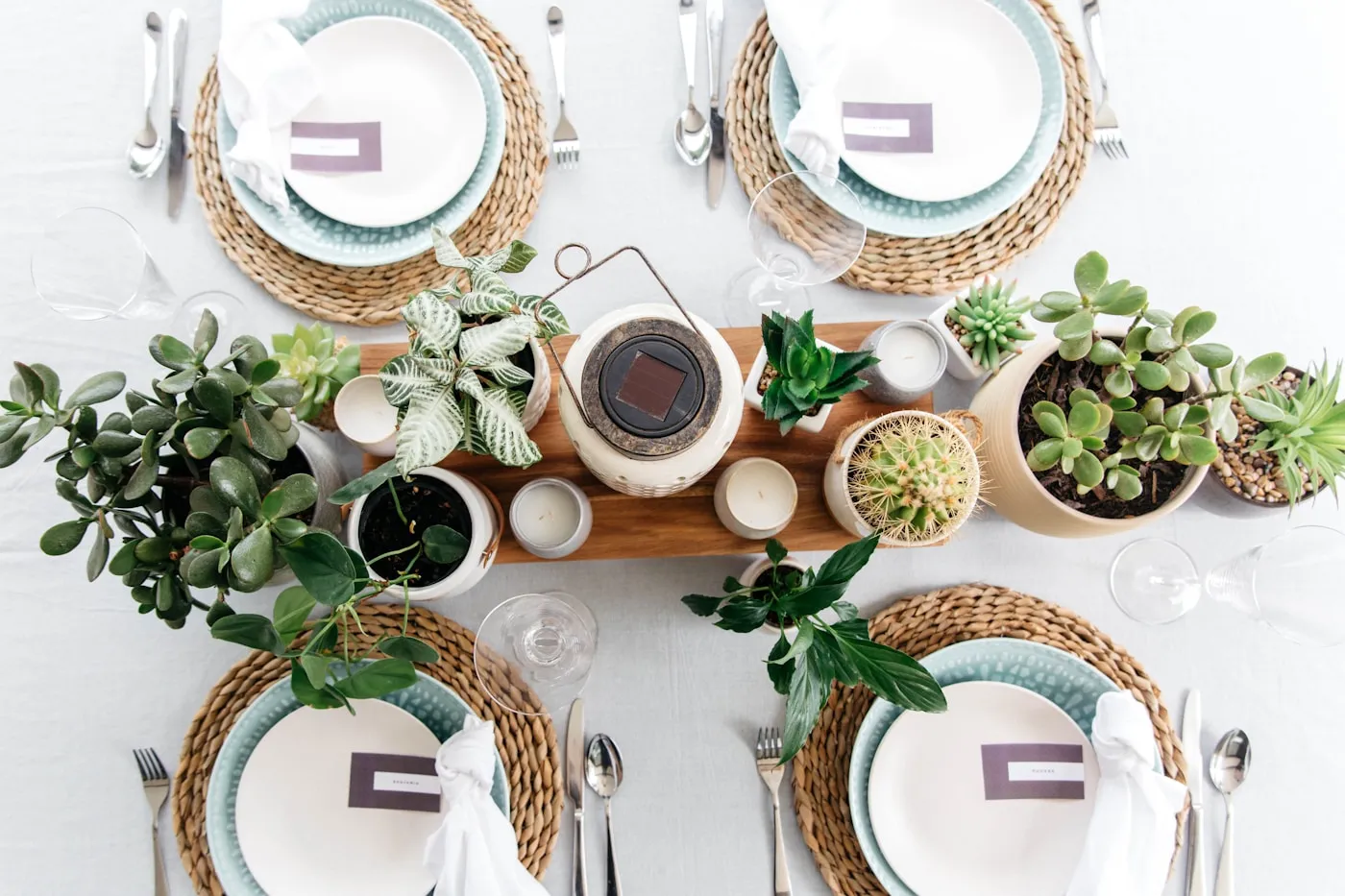
Sitting down with people you do not know well can bring curiosity and a little hesitation. A greeting and a question about what is in front of you offer a simple starting point. The conversation can then grow through attentive listening, with room for quiet moments too. The aim is to get acquainted while keeping the freedom to choose how much you share.
Begin with something you are sharing
The food, its presentation or a detail on the menu offers an accessible starting point. You can ask what interested others about the menu or explain what made you choose this table. These questions relate to the moment you are experiencing together and do not ask anyone to reveal private parts of their life.
If you want to ask the host something, let them finish what they are doing and choose a simple question about the menu. Conversation fits more comfortably into the welcome when it follows its rhythm, rather than turning the person cooking into a full-time interview subject.
Ask questions that leave a choice
An open question can still be light: “Is there a dish you enjoy making?” or “Which flavour on this menu were you curious about?” The person answering can offer a small detail or a longer story. There is no need to move immediately into work, family or relationships to find something to share.
Follow what the person chooses to tell you, instead of filling in the rest of their story in your mind. If an answer is brief, you can accept it and move on. Curiosity becomes more considerate when it does not demand a detailed explanation every time.
Listen without planning your answer
While someone is speaking, try to follow the particular detail they have chosen to emphasise. A short question about it shows you have been listening. Jumping straight to an episode of your own can move the centre of the conversation before the other person has finished.
You can share a similar experience when there is room, without trying to make it more remarkable. Two different stories can sit alongside each other. If you would like to begin with food itself, our article on the stories behind family recipes suggests ways to describe a particular memory.
Share the conversation
In a group, notice whether the exchange always stays between the same people. You can open it up with a question addressed to the table, allowing whoever wants to answer to do so. Avoid singling someone out just because they have been quiet. Being present does not mean everyone needs to speak equally often.
- Let people finish a sentence before adding yours.
- Briefly explain references that only some people know.
- Accept a change of subject without always returning to your own story.
- If a question meets hesitation, offer an easy way to move on.
Say goodbye without forcing a next step
A good conversation can belong to that lunch alone. It does not have to become a new contact or a future appointment. You can thank someone for an interesting exchange and leave them the same freedom you enjoyed. This is part of what can make meeting people feel comfortable.
For an occasion to begin with, read about planning a shared Sunday lunch. Or download Horecos and find a menu that makes you want to take a seat and meet the person welcoming you.