Kitchen stories
Family recipes: telling a story at your table
A particular memory, an ingredient and the changes you have made: introduce a dish through your own experience.
A gesture you remember, an occasion when you make a dish or a change you have made over time can tell the story of a recipe you care about. Telling its story gives guests a way into your cooking. A good starting point is something specific, personal and suited to the moment in which you share it.
Choose a memory you can describe
Begin with a particular scene. Where were you when you learned that part of the recipe? What did you enjoy watching? Which detail stayed with you? Begin with the detail you remember best, whether it is the sound of a kitchen utensil or the moment the food reached the table.
Keep your memories separate from things you do not know. Saying that a dish was often prepared in your home is already meaningful. There is no need to give it an ancient origin or introduce it as the definitive version of a whole region’s cooking.
Connect the story to what you serve
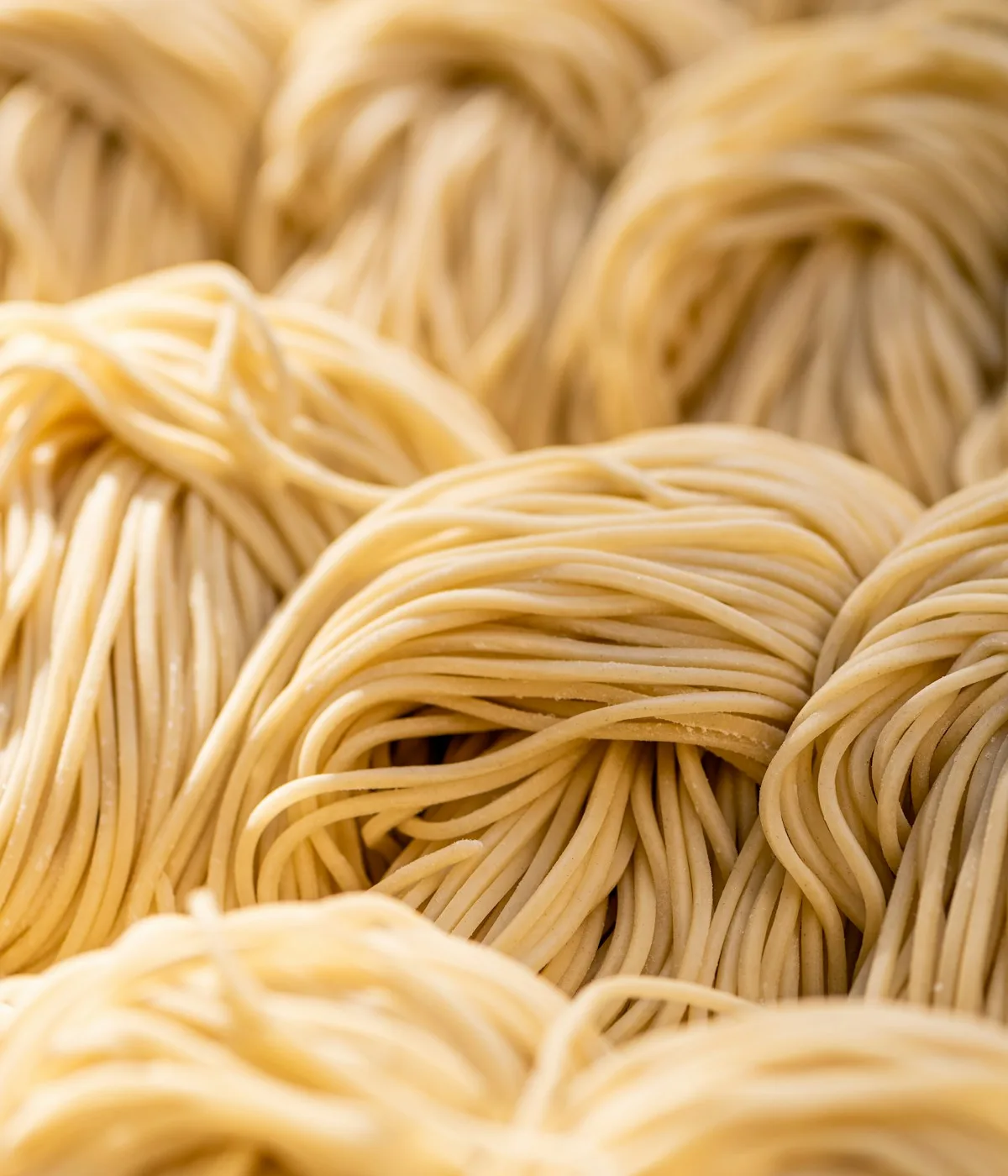
Choose a detail guests can recognise in the food. It might be the shape of the pasta, an ingredient you particularly like or a presentation you have kept. That connection makes the story easy to follow and gives people something to notice when the dish arrives.
Pair the personal story with a clear description of the menu, so guests can get to know the food alongside its history. Name the dish and its main elements first, then add a sentence explaining why you chose to cook it for them.
Talk about what you have changed
A recipe can remain part of your life without staying exactly the same. If you have changed an ingredient, simplified the presentation or chosen a different accompaniment, you can say so naturally. Explaining a decision shows your present relationship with the dish. You do not need to defend every difference from your original memory.
One possible structure is: “At home we made this for a particular occasion; in my menu I have chosen this accompaniment because I enjoy the contrast.” Fill those spaces only with your own experiences and preferences. For help planning the rest of the menu, read our guide to your first menu as a host.
Find the right length for the occasion
You can prepare a short version for the menu and a slightly longer one for the table. The first introduces the dish; the second has a place when someone shows an interest. Let your guests’ questions help determine how far you take the story, instead of turning each course into a presentation everyone must hear in silence.
If other people appear in your story, choose details you are comfortable sharing without revealing private parts of their lives. A memory can feel warm and personal while staying close to the kitchen and an everyday gesture.
Leave room for other stories
Your account may bring a different memory to mind for someone listening. Welcome it without looking for a perfect match. A simple question, such as “Is there a dish you make for an occasion of your own?”, leaves people free to answer or keep listening. The conversation may move elsewhere too; the food has already offered a point of connection.
Do you have a recipe you would like to introduce at your table? Download Horecos and create a menu that combines clear information with your personal approach to cooking.