Menu ideas
Dishes for sharing: planning a menu for the middle of the table
Give each course a purpose, picture the space and explain the service: build a shared menu that is easy to understand.
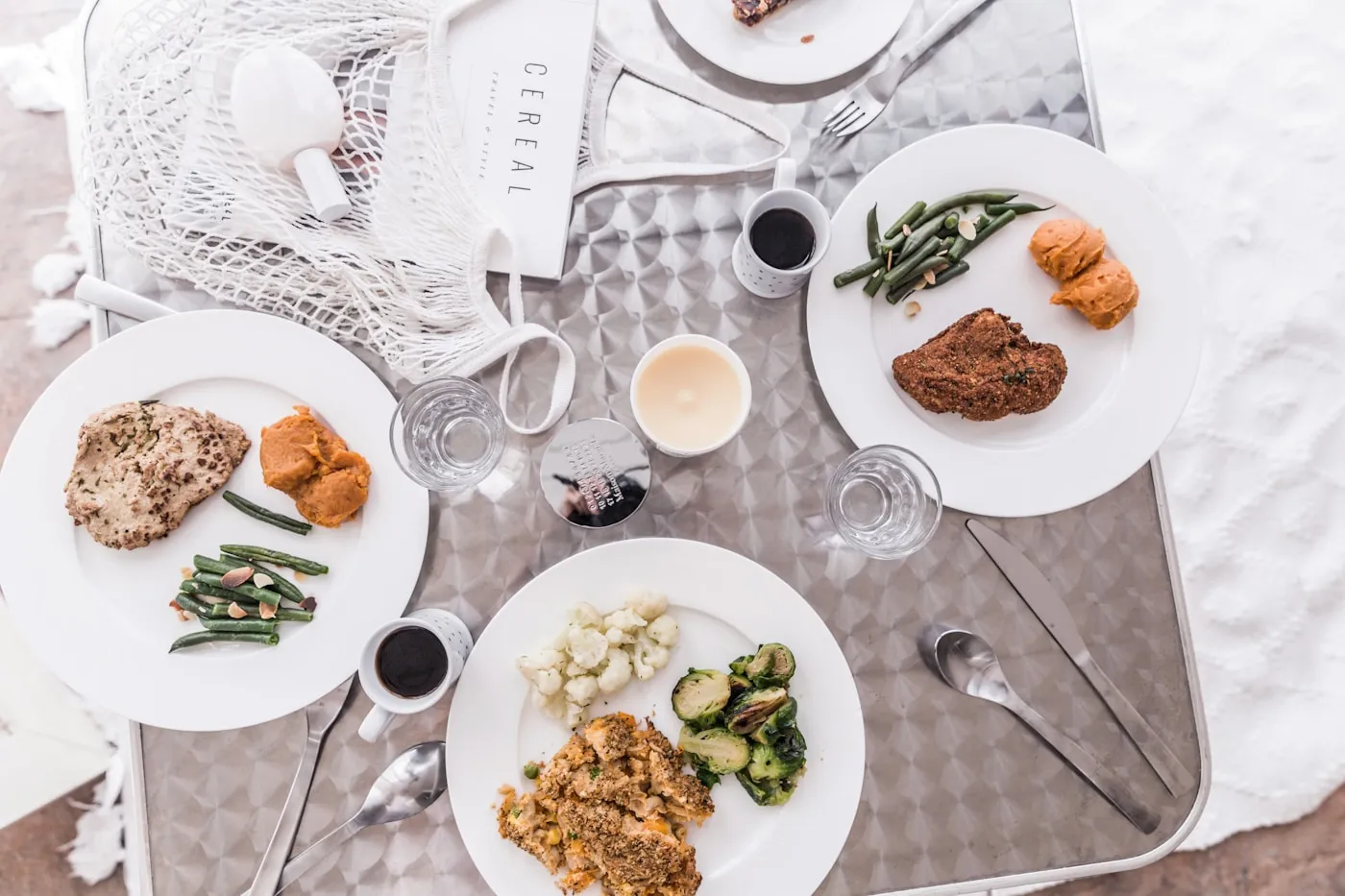
A dish in the middle of the table changes some of the small gestures of a meal: people pass a platter, discover the dishes together and make room for them on the table. For a host, planning food for sharing means thinking about that arrangement too. The dishes you choose and the way you introduce them should help guests understand the menu and feel comfortable around the table.
Decide what sharing means for your menu
You might imagine one shared course, several dishes presented together or a sequence in which some preparations arrive in the middle. Decide which approach fits your idea before composing the menu. The word “sharing” alone does not explain how the meal will unfold.
In your description, you can identify which courses will be served in the centre and which will arrive individually. This makes the experience easier to picture without expecting guests to interpret the arrangement once they are seated.
Give each dish a purpose
For example, you could combine a main dish, a vegetable accompaniment and something that brings the flavours together. Think about the role each dish plays in the meal. Your menu can have a different structure, as long as each preparation adds something recognisable to the experience.
Then consider the ingredients and textures together. If two dishes serve almost the same purpose, decide whether you want to keep both. Removing a repetitive element can make what you want to offer clearer. For a connecting idea based on actual availability, read about building a seasonal menu.
Picture the space on your table
Before deciding what arrives together, think about the size of the serving dishes in relation to your table. Glasses, guests’ plates and decorative objects already take up some of the available room. You can try the arrangement with empty serving dishes to see whether it leaves enough space for people to move comfortably.
This exercise also helps you decide what might arrive later. If one element means constantly moving everything else, perhaps it does not need to be there from the beginning. An inviting table can have a small number of objects, chosen for how you want to use it.
Make the presentation clear
When introducing a course, name its contents and briefly explain its place in the menu. Guests can then recognise the different dishes and decide where to begin. A particular description offers more help than a general invitation to try everything.
- Use the same dish names that appear on the menu.
- Explain which elements belong to the same course.
- Leave room for questions before moving to another subject.
- Welcome different preferences without commenting on the amounts people choose.
Sharing the way food is served does not mean asking everyone to assemble an identical plate or take part through exactly the same gestures.
Choose an ending that fits
Dessert can continue the sharing approach or mark a change to individual presentation. Decide according to the dishes you are serving and the rhythm you have in mind. You do not need to keep the same serving style from beginning to end to give the meal a sense of unity.
Before publishing the menu, read it from the perspective of someone coming to your table. Are the dishes and the style of service clear? To organise the remaining details, see our guide to your first Horecos menu. Then download the app and start sharing your menu.