Menu ideas
Building a seasonal menu with a clear idea
Begin with the ingredients you can actually find, choose a connecting idea and consider the courses together.
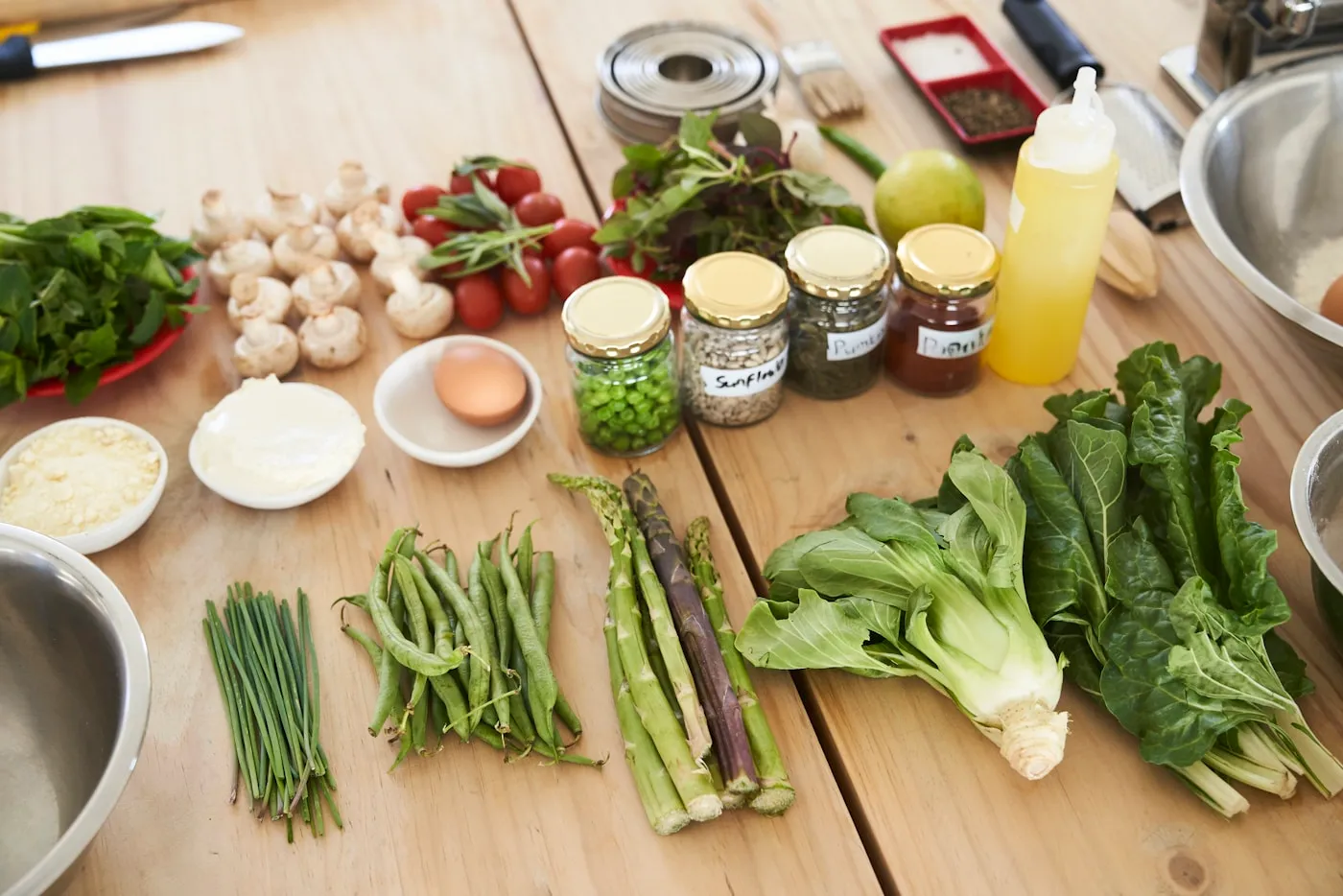
A seasonal menu can begin with a visit to the market, a conversation with someone supplying your ingredients or the things you regularly find in your area. The next step is turning those possibilities into a menu with a clear identity. Choose a few elements and consider the role each one can play, from the first course to the last.
Look at what is actually available
Before naming your menu, consider which ingredients you can obtain for the occasion you are planning. Availability varies with your location, supplier and timing. A general calendar might offer inspiration, but your menu should begin with what is really available to you and what you know how to use in your cooking.
Write down two or three possibilities, alongside the reason each interests you. It might be a colour, a texture or a pairing you want to explore. A small selection helps you find a connecting idea without filling the menu with promises you have yet to check.
Choose an idea that connects the dishes
You can build the menu around an ingredient, an approach to cooking you know well or the atmosphere you want at the table. The connecting idea should help you make decisions. If every new possibility seems essential, the idea may still be too broad. Try describing the menu in one sentence before writing the complete list of dishes.
One possible menu could bring together market vegetables, pasta and a fruit dessert. Use those categories as a starting point and develop them around the ingredients and recipes you enjoy working with.
Create variety without unnecessary complexity
Read the courses alongside one another. If they all repeat the same texture or feature the same main ingredient, ask whether that repetition is intentional. You might keep a common element and change how it appears, or let each dish contribute something different.
Three questions can help you review the sequence:
- Does each course have a clear place in the menu?
- Does each dish contribute enough to the meal to justify the work involved?
- Does the move towards dessert create the ending I want to offer?
If you are considering serving food in the middle of the table, our article on dishes for sharing offers some further things to consider.
Describe the dishes clearly
An evocative title can introduce the menu, but the descriptions need to explain your choices. Instead of a very general phrase, name the dish and the elements that distinguish it. If a decision still depends on what you will find, settle it before including the dish in your published menu.
The word “seasonal” works best alongside specific details. You can describe what inspired your ingredient selection without automatically claiming qualities, origins or characteristics you have not verified. The details you share should help guests picture the meal.
Return to the menu over time
Keep a short note about each menu: which dishes felt most like your cooking, which descriptions were clear and which choices you would like to reconsider. This lets you return to an idea without treating it as a fixed formula. Different availability may invite you to revise the menu while keeping the things that work in your way of welcoming people.
To put your ideas into practice, read our guide to your first menu as a host. Then download Horecos and introduce the cooking you have chosen to share.