Host guides
Tell your cooking story in a host profile that sounds like you
Find the thread in your cooking, choose the memories you want to share and describe your welcome in your own words.
A host profile gives guests their first introduction to you. Someone reading it wants to understand who prepares the menu, what kind of cooking they enjoy and how they like to welcome people. You can introduce yourself simply, choosing details that feel recognisably yours. Specific details give people something to remember and a reason to find out more.
Find the thread running through your cooking
Before writing, think about the dishes you enjoy preparing even when nobody needs to read a description of them. Which ingredients keep returning? Which parts of cooking do you enjoy most? Are there recipes you often revisit, or ways of putting a meal together that feel especially close to you?
Write down these details without searching for an elegant sentence straight away. You may notice an interest in handmade pasta, seasonal vegetables or dishes designed for sharing. Choose the theme that describes your cooking today. It will become the thread that holds the profile together.
Support your story with real details
A general sentence such as “I love cooking” becomes more personal when you add what you love doing. Describe a kitchen routine, a recipe or a small habit, drawing on your own experience. That precision helps a reader picture you in your own kitchen.
You can mention a memory if you would like to share it, without telling your whole life story. Choose something that helps explain your cooking: why you prepare a particular dish, an ingredient that interests you or a way of gathering around the table that you would like your guests to experience.
Describe the welcome you want to offer
Alongside the food, describe the character of the experience you want to create. Think about how you introduce a course, the space you imagine for conversation and what makes your table a pleasant place to be. Choose words that match the experience you can offer.
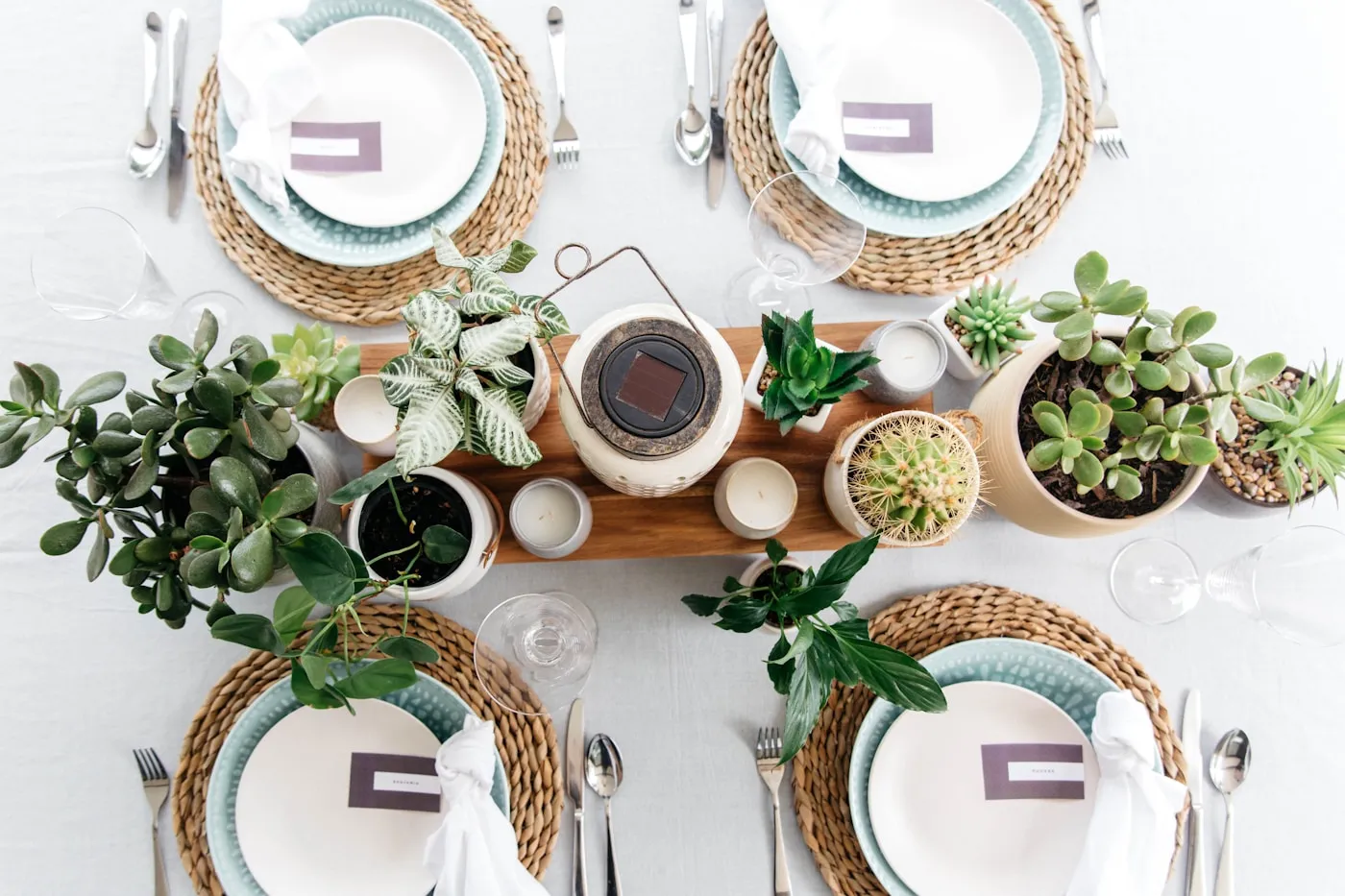
If you enjoy explaining where a recipe comes from, say so. If you prefer conversation to develop naturally, describe your enjoyment of sharing a meal. Our guide to creating a welcoming table setting can help you connect those intentions with visible details.
Put the information in a natural order
Start with a short introduction, move on to the cooking you enjoy and finish with the welcome you want to offer. This order takes the reader from the person to the experience. Keep the paragraphs distinct and read the sentences aloud. They should sound like something you might say to a new guest.
Leave precise descriptions of individual courses to the menu. Your profile can explain the thread connecting them. Our guide to writing a clear menu covers dishes, ingredients and what is included. Each text can then do a useful job while remaining enjoyable to read.
Read it again and listen for your own voice
Ask someone who knows you whether they recognise your cooking in the description. Listen to which details feel most personal and which sentences could belong to almost anyone. You can make the text more distinctly yours by replacing a general adjective with a concrete example.
- Is it clear what you enjoy cooking?
- Do the memories and experiences belong to you?
- Does the welcome described match what you want to offer?
- Does the profile fit your current menu?
Return to the text when your cooking or hosting changes. With an introduction that feels like you, download Horecos and start building your host profile in the app.