Host guides
Setting a welcoming table: space, comfort and atmosphere
Start with the seating and the menu, then choose lighting and details that make the table enjoyable to share.
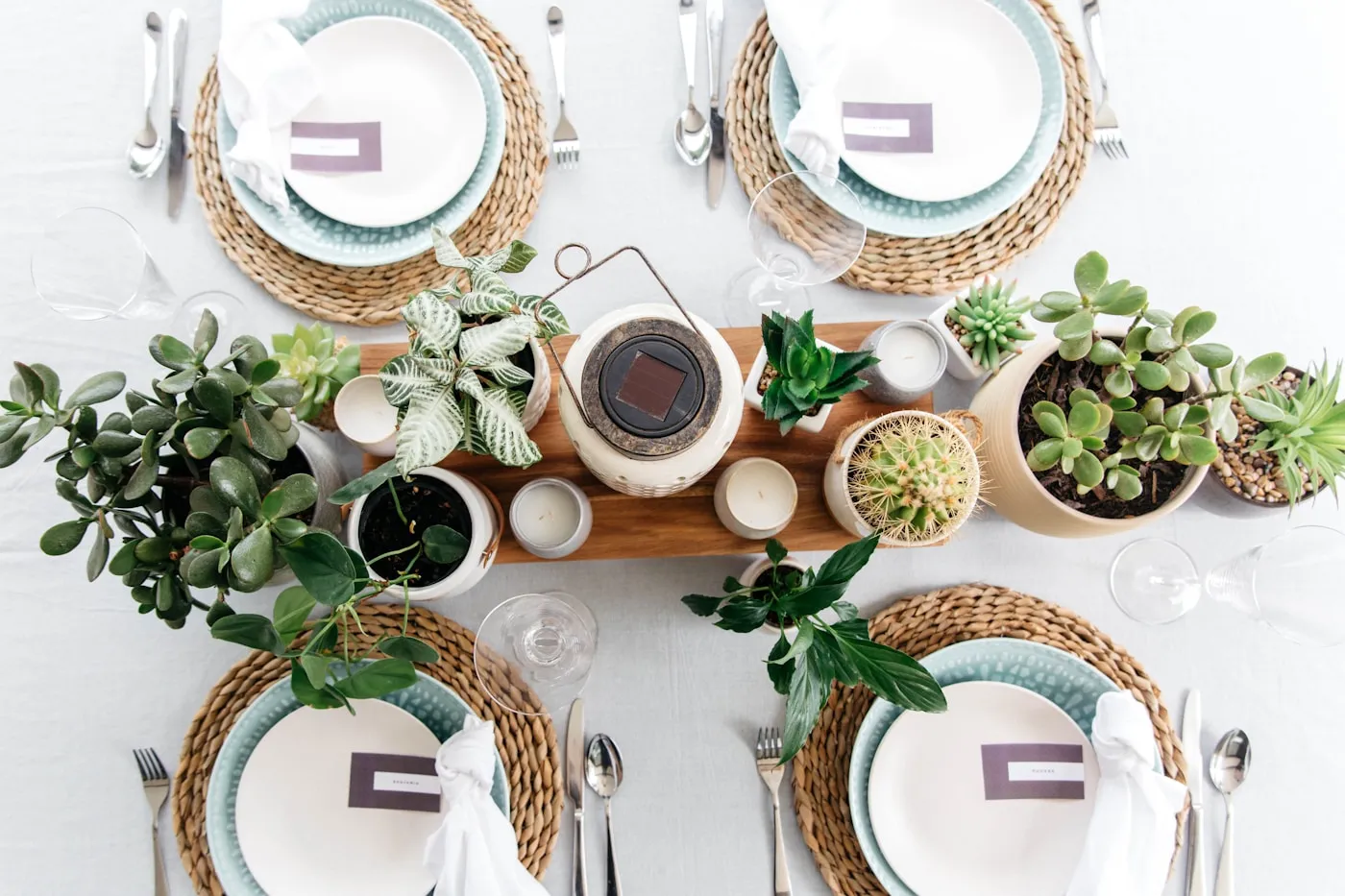
A welcoming table begins with how it feels to sit there. Before choosing flowers or colours, check there is space to move, put down a glass and see the other people around you. Decorative touches become more enjoyable when they support these everyday movements. Start with what you already own and create a table that reflects the welcome you want to offer.
Sit in the places you are preparing
Set one complete place and sit down. Try pulling in the chair, using the cutlery and reaching for the glass. Notice whether your arms have enough room and whether the seat feels comfortable. Repeat the exercise in more unusual positions, such as a corner or a place near the wall.
Look at the route around the table as well. Guests should be able to get up, and you should have a straightforward way to serve. The number of chairs that fit in a room is only a starting point. Our guide to choosing how many guests to host offers more useful questions.
Let the menu guide the objects you need
Think about the planned courses and choose what will actually be useful. A sharing dish needs space in the centre, while individual courses may call for a clear surface nearby. Arrange cutlery and glasses so they are easy to reach and use.
Picture the table during the meal, when bread, bowls and serving plates begin to appear. Leave room for these items from the start. If you want to change the arrangement, try working with the objects you already have. Moving something to a different position can make the whole setting feel clearer and more comfortable.
Create an atmosphere with a few details
Choose a simple thread to follow: the colour of the napkins, a tablecloth you love or the texture of a material. Repeat that detail in a small decorative element, giving the plates and people plenty of space. Different styles of tableware can work together when the rest of the arrangement feels calm.
Check the height of objects in the centre. Once you sit down, can you see the person opposite? A low vase or a decoration moved to one side can support the atmosphere without interrupting the view. Look at the result from your guests’ positions as well as from above.
Consider the room around the table
Try the lighting at the time of day when you expect to host. Look for a setting where it feels pleasant to see each other and easy to recognise the food on the plate. Listen to the room, too. If you choose music, check that speaking to someone across the table still feels natural.
Prepare a place for the belongings that might otherwise occupy chairs. A tidy entrance and a simple explanation of where to settle help people feel at home as they arrive. These small gestures can become a recognisable part of how you welcome guests into your home.
Take one final look before people arrive
Walk through the room, thinking about the movements of the evening. The setting is ready when you can imagine people using it naturally.
- Does each place have the items needed for the menu?
- Is there room for the sharing dishes?
- Can people see and hear one another comfortably?
- Is the route from the kitchen to the table clear?
To connect the setting with serving, read about organising the flow of dinner. Then download Horecos and start shaping your own hosting experience.