Host guides
Planning the flow of dinner, from preparation to serving
Put the evening’s tasks in order, spot overlapping jobs and leave room to enjoy the table with your guests.
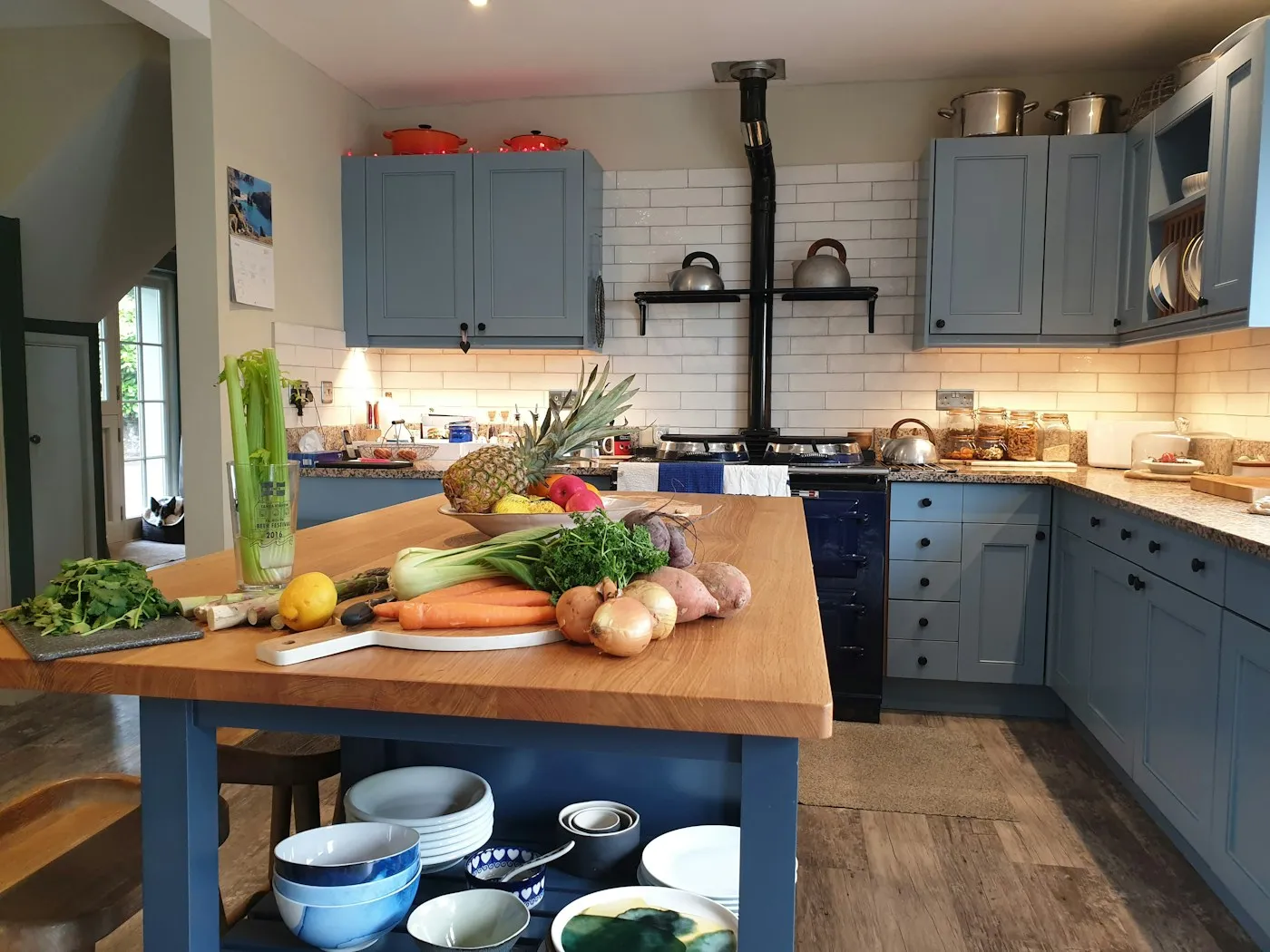
An enjoyable dinner leaves room for conversation for the person cooking, too. To make that possible, picture the evening as a sequence of actions: preparing, welcoming, serving and sitting down again. Putting those steps on paper helps you notice where they overlap and build a plan that suits your own way of hosting.
Start with the moment you serve
Write down the courses in the order they will arrive at the table. For each one, note the final actions before serving: finishing the presentation, adding a sauce, transferring food to a serving dish or arranging individual plates. These are the tasks that need your attention while guests are already there.
Look for courses that need the same tools or work surface. If every plate has to be assembled on one section of the counter, plan how you will clear it between uses. A clear sequence helps you plan the whole dinner as well as the individual recipes.
Group tasks by when they belong
Separate activities you can complete before people arrive, tasks involved in welcoming them and jobs to do between courses. Alongside the cooking, include the household tasks that take real time: laying the table, choosing serving dishes, arranging the entrance and clearing a surface for service.
Keep the list short and easy to read. You could arrange utensils in the order you will need them or gather the items for each course together. Make decorative decisions during a quieter moment. When the doorbell rings, knowing where everything is makes it easier to step away from the kitchen and welcome your guests.
Try the route from kitchen to table
Imagine carrying each serving dish to its place. Check where you will put things as they leave the kitchen and where used plates will go afterwards. A chair in the wrong place or an object in the way can make serving awkward, even when the route looked clear in your plan.
Your rehearsal can include a familiar recipe, following the actual sequence you intend to use for dinner. Notice which moments demand concentration and which leave you free to talk. For ideas about organising the space, start with our guide to a comfortable, welcoming table.
Leave room between commitments
A useful plan also makes space for arrivals, introductions and spontaneous questions. Avoid assigning every moment to a kitchen task. Decide when you especially want to be present: as people arrive, while telling a recipe’s story or when everyone begins a course you would like to share.
If the plan feels crowded, simplify one step. You could choose a less elaborate presentation or reconsider the order of your preparations. Our guide to choosing group sizes and hosting times helps connect this planning to the people you want to welcome.
Make notes once dinner is over
After clearing up, write down what you would repeat and what you would change. Focus on practical observations so your next plan grows from the experience itself. A short note about a particular moment will be easier to use than a general judgement about the whole evening.
- Which step kept you away from the table longer than expected?
- Where did you find yourself looking for a utensil or a clear surface?
- When did you feel most present with your guests?
- Which cooking task could you organise differently?
Keep a simple version of the plan and adapt it to your next menu. When you have a dinner plan you feel comfortable managing, download Horecos and start organising your experience in the app.