Host guides
Choosing group sizes and hosting times that fit your schedule
Bring together your space, menu and daily commitments to decide how many people to welcome and when to host.
Choosing when to host and how many people to welcome gives your idea of dinner a practical shape. An enjoyable meal brings together the room, the menu and the attention you want to give your guests. Start with a situation you know well and build a schedule with space for preparation, welcoming people and clearing up afterwards.
Picture the group using the space
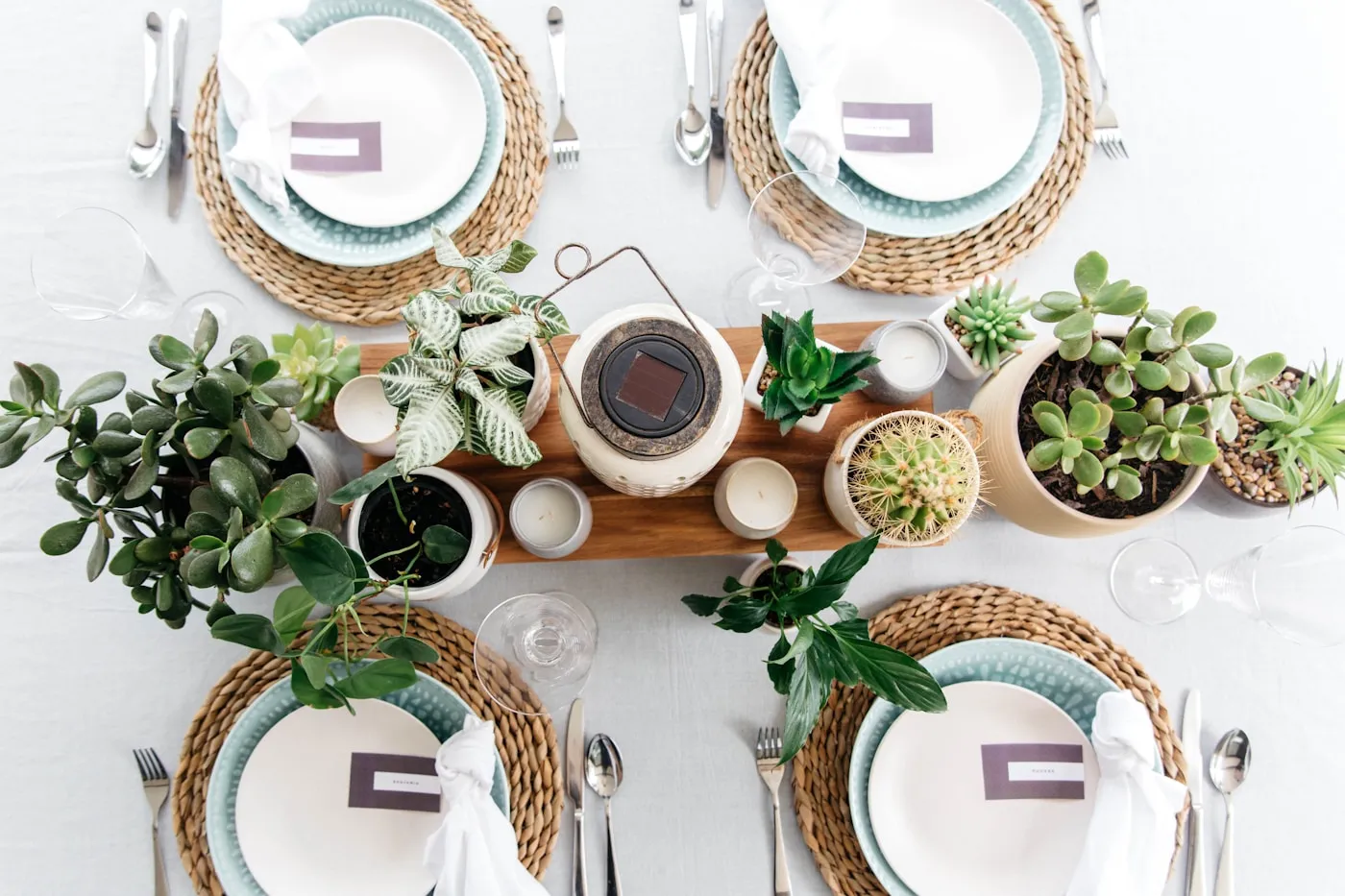
Look at the places around your table and imagine people sitting in all of them at once. Notice how the chairs move, where serving dishes will pass and how easily someone can speak to a person across the table. The group size should suit the actual use of the room and the meal you have planned.
A sharing dish in the centre needs different space from individually served courses. Think about the objects that will arrive during dinner as well as those on the freshly laid table. Explore this exercise further in our guide to preparing a welcoming table.
Connect the number of places with the kitchen work
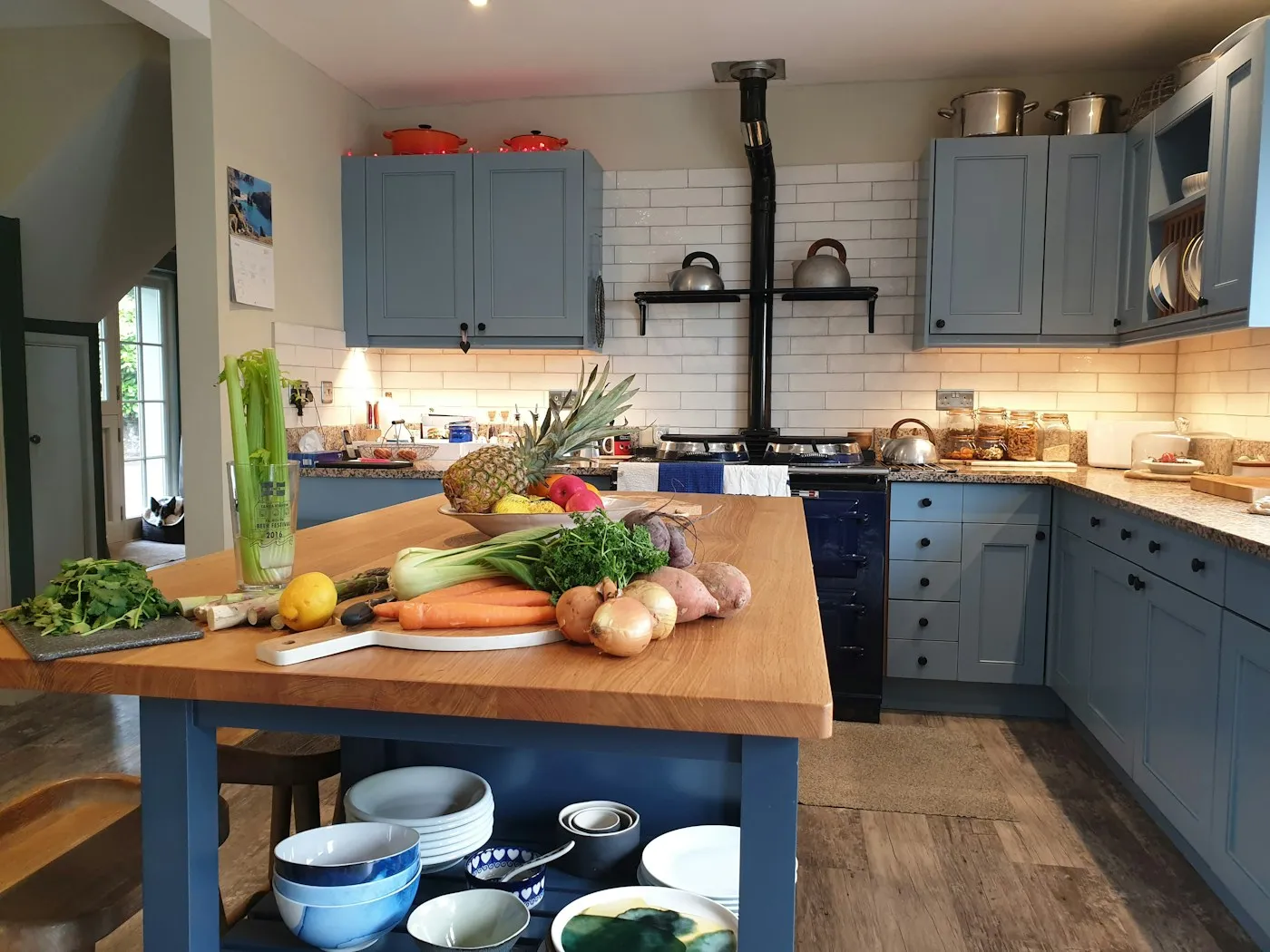
Go through the recipes with your intended group in mind. Which steps repeat for every plate? Which courses can you present together? Consider the utensils, serving dishes and work surfaces you will actually use. It is easier to decide when you picture yourself serving the meal.
You can rehearse with a dinner that already feels familiar and observe how much time you spend at the table. Choose a group size that lets you welcome people, explain the menu and serve each course with care. The experience of that rehearsal gives you a useful basis for your decision.
Check your schedule before and after the meal
The time when guests arrive is one part of the plan. Include choosing ingredients, making preparations, arranging the room and clearing up in your schedule as well. Look at the other commitments in that day and think about how you would like to spend it.
If your week is busy, look for a moment when you can prepare without constantly switching between other tasks. If you share your home, discuss the plan with the people who share those spaces with you. A clear agreement about the arrangements makes it easier to concentrate on the meal when the time comes.
Choose a time that suits the meal
Think about the kind of gathering you want to offer and where it fits in the day. Lunch and dinner can create different rhythms for you, your home and the menu. Picture the arrivals, the courses and the moment when you say goodbye, leaving some intervals free from planned activities.
To build that sequence, read about organising the flow of dinner as a host. Then set your availability in the app to match the plan you have chosen, keeping it aligned with your schedule and other commitments.
Revisit your choices after each experience
After hosting, think about the relationship between the group, menu and timing. Note what helped you enjoy being with your guests and the moments when you would have liked more room. These observations will help you plan the next meal.
- Did the seating arrangement encourage conversation?
- Did serving work comfortably for the number of people?
- Did you have room to prepare and clear up calmly?
- Did your chosen time fit well into the day?
You can change one choice at a time so it is easier to understand what improves the organisation. Once you have a plan that suits your space and schedule, download Horecos and start organising your availability as a host.